
The Heartlight Way
A Parent/Child Co-Learning Approach
What if the way you respond to the people you love could change everything?
The Heartlight Way is a practice of awareness, connection, and trust — for parents, caregivers, and anyone who wants to live from love instead of react from fear.
You know how to love.
And still, some moments get away from you.
You lose your patience in the middle of a conversation you wanted to hold with grace. You say the thing that closes a door instead of opening one. You feel the distance growing — between you and your child, between you and the person you meant to become. It is not that you don't love them. It is that in the hard moments, love alone doesn't seem to be enough. You need a practice. A way of returning to yourself before you speak. A method that turns reaction into response — every time, not just when it's easy.
The Heartlight Way is not a parenting method.
It is a way of being.
Developed over 35 years of work as an occupational therapist, life coach, and spiritual teacher, the Heartlight Way rests on a single truth: love and kindness are not just moral virtues. They are developmental nutrients. When we offer them — to our children, to each other, and to ourselves — growth happens naturally. The framework is built on three principles that work together, not in sequence:
AWARENESS — Seeing without judgment. The breath before the storm.
CONNECTION — Choosing presence over being right. Relationship over reaction.
TRUST — Living authentically. Honoring what is true within you, even when it is hard.
These are not steps. They are a returning — to who you already are beneath the noise.
Begin With Five Minutes.
The Heartlight Pause is a simple family practice that changes the texture of daily life. Not a meditation.
Not a time-out. Not a 'calm down' technique — though it does bring calm.
It is a five-minute ritual that teaches you — and the people you love — how to choose connection over control, awareness over assumption, love over reaction.
You can use it at the dinner table. In the car. Before bed.
In the middle of a hard moment.
It works with children from age two through adulthood.
It works alone.It works in classrooms and teams and anywhere people need to find each other again.
The free guide includes:
· The five-step Pause practice, written for real families in real moments
· How to adapt it for every age, from toddlers to teenagers
· What to do when someone refuses to participate
· Three closing blessings to choose from
· A solo practice for when it is just you
You will also receive The Heartlight Letters — occasional reflections, stories, and practices from Linda McDonald. Unsubscribe anytime.
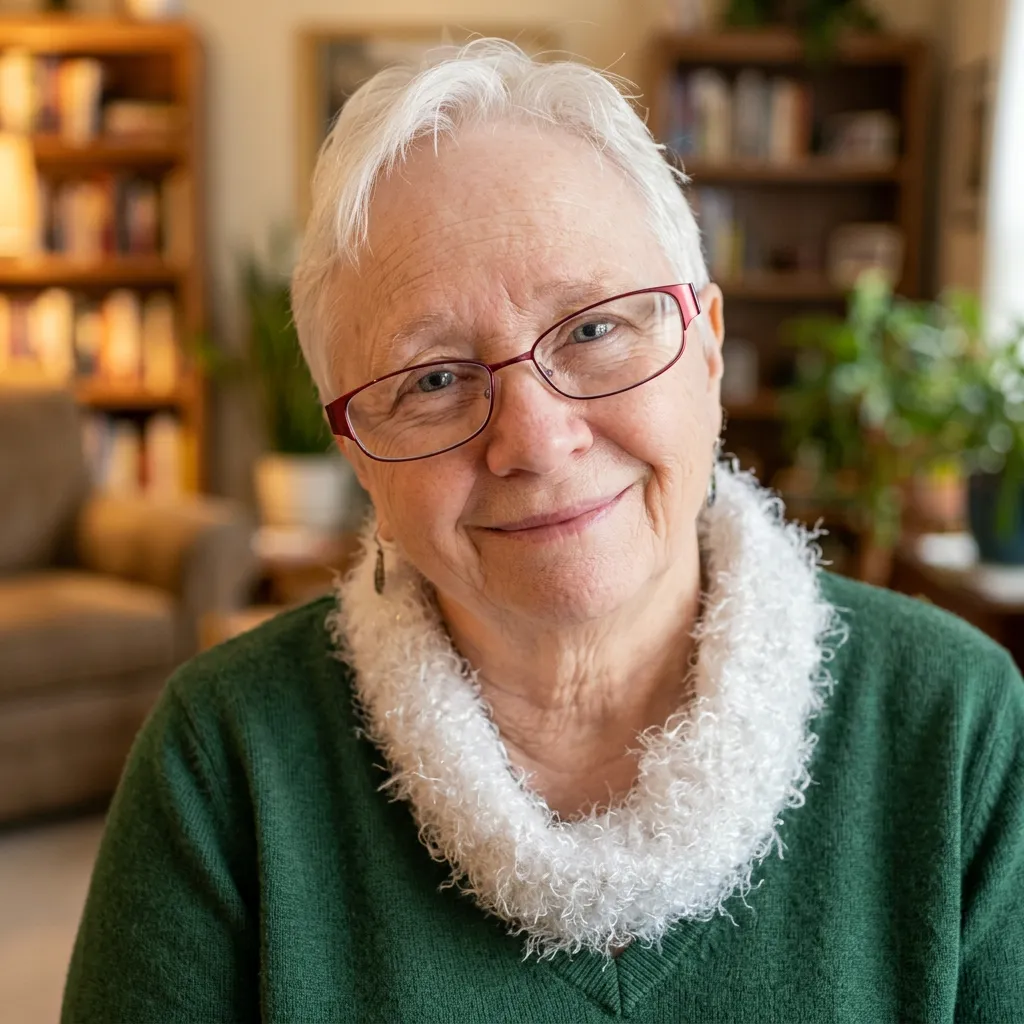
About Linda
Linda McDonald is a former occupational therapist, life coach, medium, and author with 35 years of experience guiding individuals and families toward wholeness. She is the founder of TULA Light and the creator of the Heartlight Way — a compassionate approach to learning and living rooted in awareness, connection, and trust. Her work bridges science and spirit. She believes that love is not a sentiment — it is a practice. And that every person carries the capacity to live from it."
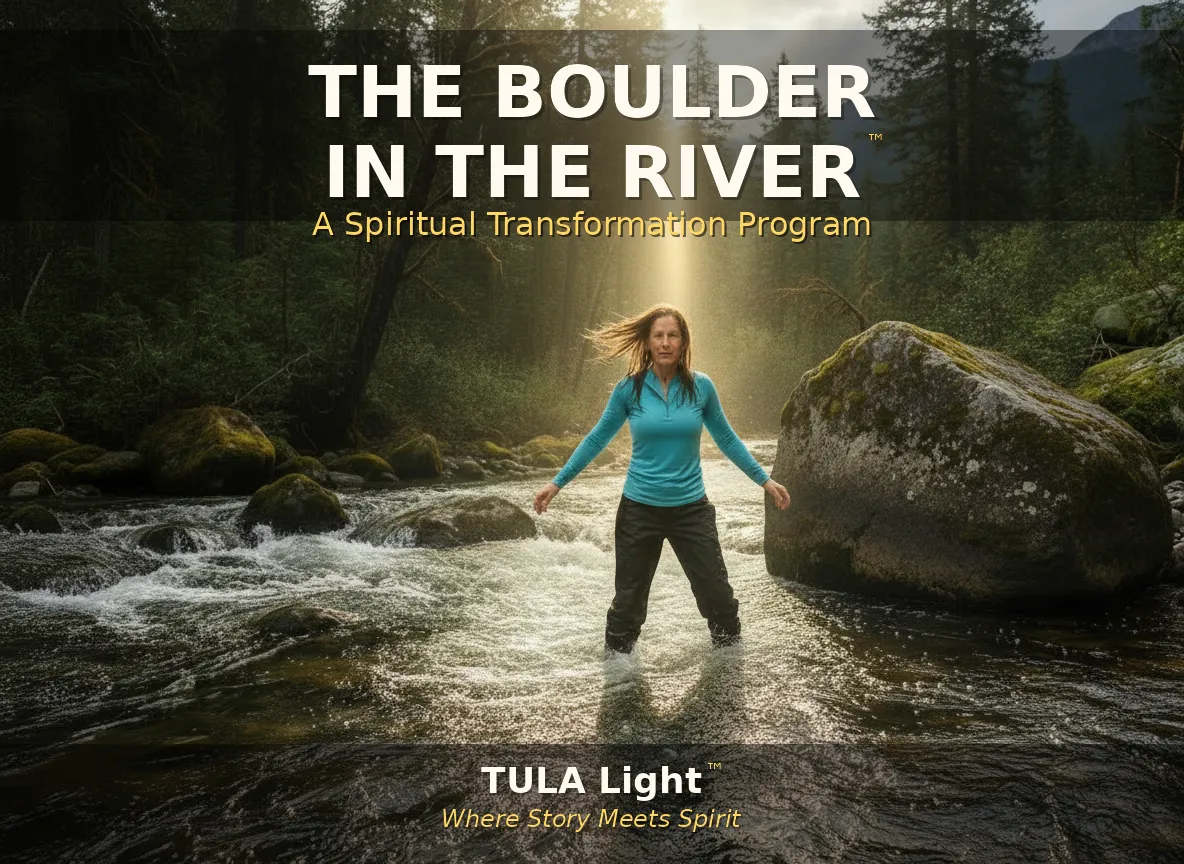
THE BOULDER IN THE RIVER
A personal transformation program for anyone who feels knocked about by life and wants to find their ground again. Six modules. Self-paced. Built for the moments when life feels too fast and you have lost sight of who you are beneath it.
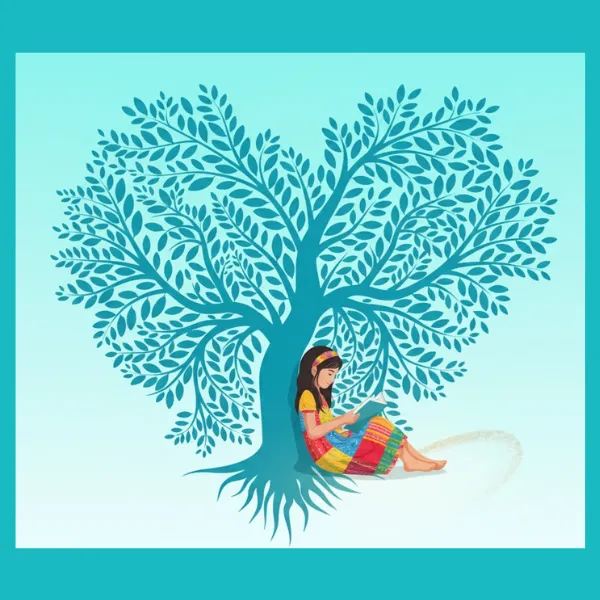
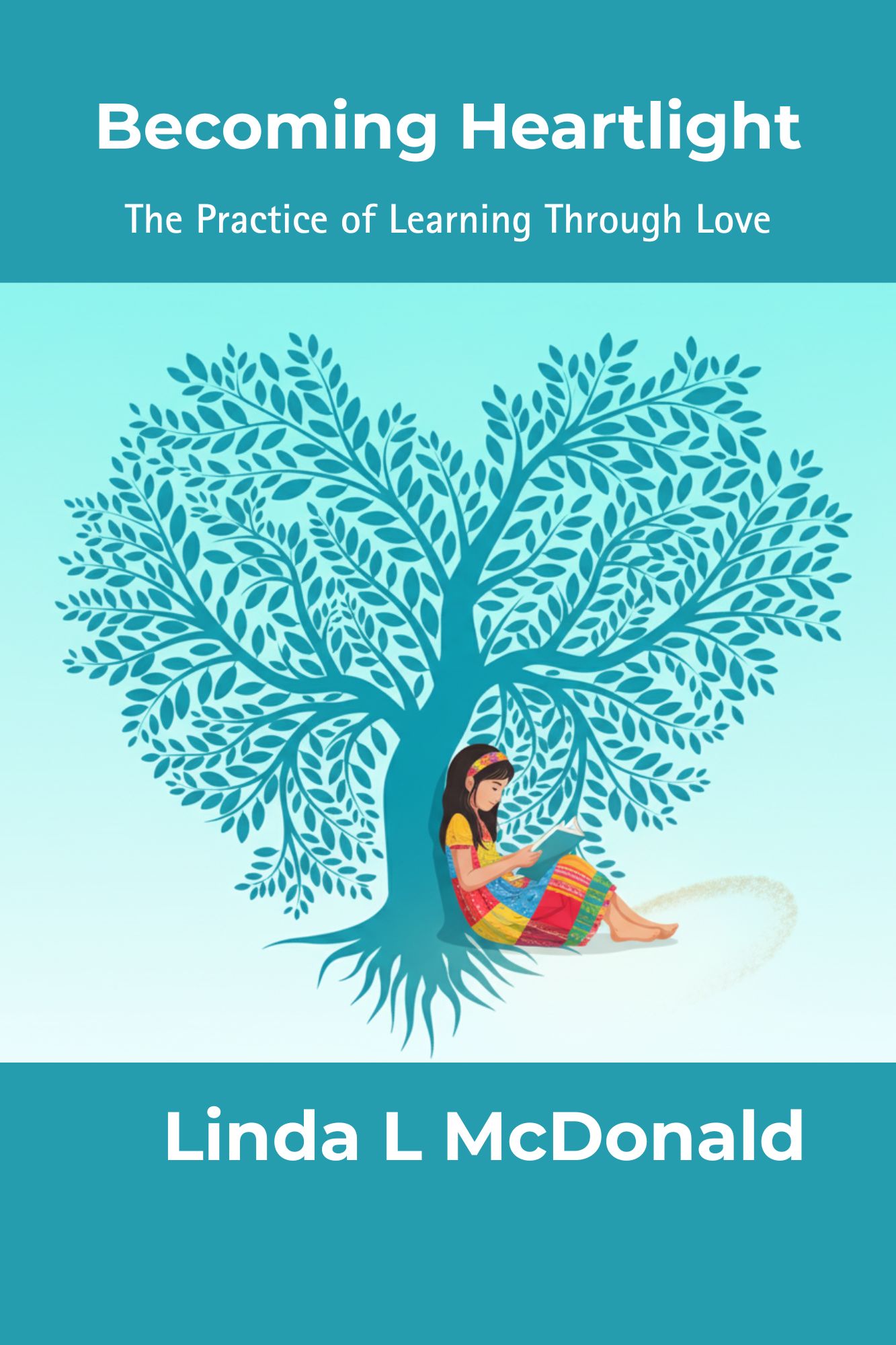
BECOMING HEARTLIGHT — The Book
The foundational text of the Heartlight Way. For parents, educators, and anyone who wants to understand the full framework through story and practice.
THE HEARTLIGHT LETTERS — On Substack
Reflections, stories, and practices from Linda — delivered to your inbox when they are ready. Rooted in the Heartlight Way. Free to subscribe.
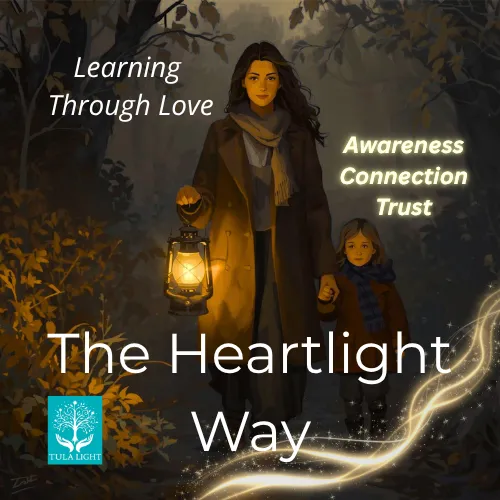
Every journey through the Heartlight Way begins the same way. With a pause.
You do not need to be a perfect parent. You do not need a peaceful household or an untroubled life. You only need the willingness to begin — to choose, one moment at a time, awareness over assumption. Connection over control. Love over fear. The Heartlight Pause is where that begins. It is free. It takes five minutes. And it has a way of changing everything.